Natural daylight has become one of the most desirable features in modern homes and commercial buildings. A brighter interior not only creates a welcoming atmosphere but also enhances comfort, supports wellbeing, and makes spaces feel larger. One practical solution that continues to grow in popularity is the use of polycarbonate roof light domes, offering an effective way to introduce daylight while maintaining durability and reliable weather protection.
Why Natural Daylight Matters More Than Ever
The way we design buildings has evolved considerably. People now place greater importance on creating healthier, more inviting environments where daylight plays a central role. Whether it is a home extension, office, warehouse, school, or retail unit, access to natural light can significantly improve the overall experience of a space.
Well-lit interiors often feel more open and pleasant throughout the day. They also reduce dependence on artificial lighting during daylight hours, supporting more sustainable building practices while creating a comfortable setting for occupants.
As architectural trends continue to favour open-plan layouts and multifunctional spaces, roof glazing solutions have become an increasingly valuable design feature.
See also: Healthy Dining Trends Shaping Fresh and Flavorful Restaurant Choices
Understanding Roof Light Domes
Roof light domes are specially designed glazed structures installed on flat or low-pitched roofs to allow daylight into the building below. Unlike traditional vertical windows, they capture sunlight from above, often providing more consistent illumination throughout the day.
Modern roof light domes are engineered to withstand changing weather conditions while maintaining excellent light transmission. Their practical design makes them suitable for a wide variety of residential, commercial, and industrial applications.
They are commonly used in:
- Home extensions and kitchen renovations
- Commercial office buildings
- Educational facilities
- Retail premises
- Warehouses and industrial units
- Communal residential buildings
- Healthcare environments
Their versatility makes them an excellent option whenever additional daylight is required without altering existing wall layouts.
The Advantages of Polycarbonate Construction
Material selection plays a significant role in the long-term performance of any roof glazing product. Polycarbonate has become one of the preferred materials because it combines strength, light transmission, and durability.
Some of its key advantages include:
- High impact resistance for improved durability.
- Excellent light transmission without sacrificing strength.
- Good resistance to changing weather conditions.
- Lightweight construction that simplifies installation.
- Long-lasting performance with minimal maintenance.
- Reliable thermal efficiency when properly specified.
These characteristics allow building owners to enjoy brighter interiors while benefiting from a material designed for everyday use.
Creating Comfortable Interior Spaces
Natural light influences far more than appearance alone. Bright interiors can positively affect how people use and enjoy a building throughout the day.
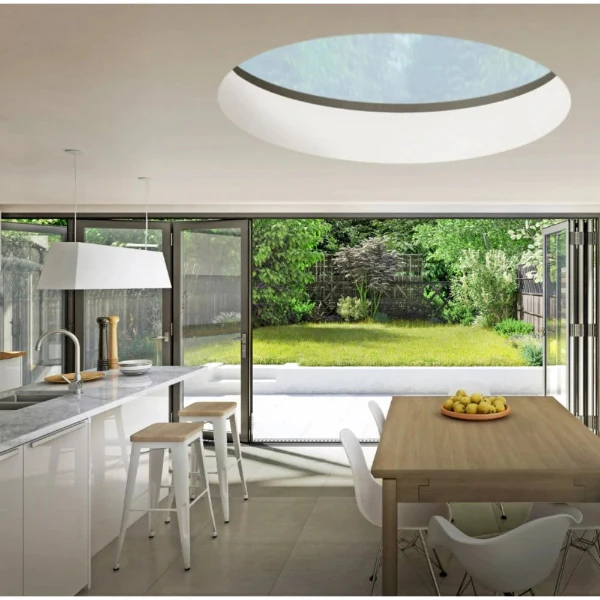
A well-positioned roof light helps distribute daylight evenly, reducing dark corners and creating a more balanced internal environment. This is especially valuable in deep-plan buildings where side windows may provide limited illumination.
Popular interior spaces that benefit include:
- Kitchens with central islands.
- Open-plan living rooms.
- Stairwells.
- Hallways.
- Home offices.
- Studio workspaces.
- Meeting rooms.
- Reception areas.
Each location benefits differently, but the overall effect is usually a brighter, more welcoming atmosphere.
Improving Architectural Design
Modern architecture increasingly focuses on clean lines, uncluttered spaces, and maximum daylight. Roof glazing fits naturally within these design principles.
Rather than relying solely on traditional windows, architects often use overhead glazing to create visual balance and improve interior quality. This approach allows more flexibility when arranging furniture, storage, or internal layouts because daylight enters from above instead of only through external walls.
The result is often a design that feels lighter, more spacious, and visually appealing.
Performance Throughout the Seasons
Roof glazing must perform consistently in changing weather conditions. Today’s advanced manufacturing techniques ensure that modern domes provide dependable performance throughout the year.
Quality products are designed to cope with:
- Heavy rainfall.
- Strong winds.
- Temperature fluctuations.
- UV exposure.
- Everyday environmental wear.
Reliable weather resistance helps protect the building while maintaining clear daylight transmission over the long term.
Supporting Sustainable Building Design
Environmental responsibility has become an important consideration for homeowners, architects, and commercial developers alike.
Making greater use of natural daylight supports sustainable design by reducing unnecessary reliance on electric lighting during daylight hours. While daylight alone does not solve every energy challenge, it contributes positively as part of a wider strategy that includes insulation, ventilation, and efficient building materials.
Many modern construction projects now prioritise features that balance comfort, performance, and environmental awareness.
Choosing the Right Roof Light
Every building has unique requirements, so selecting the appropriate roof light should involve careful consideration rather than a one-size-fits-all approach.
Factors worth evaluating include:
- Roof structure and available space.
- Desired level of daylight.
- Building regulations.
- Thermal performance requirements.
- Ventilation needs.
- Security considerations.
- Overall architectural style.
Taking these factors into account helps ensure the finished installation complements both the building and the people who use it.
Maintenance Is Simpler Than Many Expect
One common misconception is that roof glazing requires extensive upkeep. In reality, modern designs are intended to remain practical and straightforward to maintain.
Basic maintenance generally involves:
- Cleaning external surfaces using suitable non-abrasive products.
- Checking seals during routine property inspections.
- Removing leaves or debris from surrounding roof areas.
- Ensuring drainage paths remain unobstructed.
- Following manufacturer guidance for ongoing care.
Simple routine attention helps preserve both appearance and long-term performance.
Safety and Building Compliance
Safety remains an essential consideration whenever roof glazing is specified.
Manufacturers develop products that meet relevant industry standards for strength, weather resistance, and performance. Selecting products designed for compliance provides reassurance that the installation has been engineered with building safety in mind.
Professional installation also plays a significant role in achieving reliable long-term results.
Enhancing Commercial Properties
Commercial buildings often benefit significantly from improved daylight. Employees, visitors, and customers all appreciate bright, comfortable interiors.
Applications include:
- Office developments.
- Educational campuses.
- Shopping environments.
- Distribution centres.
- Manufacturing facilities.
- Healthcare buildings.
In many cases, increased daylight supports more attractive working environments while complementing modern workplace design.
Residential Spaces Continue to Evolve
Homeowners are increasingly transforming unused or underutilised areas into practical living spaces. Extensions, loft conversions, and garden-facing rooms frequently incorporate roof glazing to maximise available daylight.
This design approach helps create interiors that feel connected to the outdoors without compromising privacy.
Whether updating an existing property or planning a new build, overhead glazing can become an attractive architectural feature rather than simply a functional addition.
Selecting a Trusted Supplier
The quality of both the product and supplier has a direct impact on long-term satisfaction.
A reputable supplier should offer:
- Products manufactured to recognised standards.
- Clear technical guidance.
- Reliable product information.
- Consistent quality control.
- Helpful customer support.
For homeowners and professionals seeking dependable glazing solutions, Skylight Roof Lanterns provides products designed to support modern architectural requirements while maintaining high standards of performance and durability.
Future Trends in Roof Glazing
Building design continues to evolve alongside advances in manufacturing technology.
Several emerging trends are shaping the future of roof glazing:
- Greater emphasis on thermal efficiency.
- Improved glazing performance.
- Cleaner architectural aesthetics.
- Increased use of sustainable materials.
- Enhanced daylight optimisation.
- Smarter integration with contemporary building design.
These developments reflect growing demand for products that combine visual appeal with practical everyday performance.
As designers continue exploring new possibilities, roof glazing will remain an important feature in creating comfortable, light-filled environments.
Conclusion
Natural daylight has the power to transform both residential and commercial interiors, creating brighter, healthier, and more enjoyable spaces. Choosing a high-quality roof glazing solution offers long-term benefits in terms of comfort, durability, architectural appeal, and sustainable design. By selecting products that meet your building’s specific requirements and ensuring professional installation, you can enjoy reliable performance for years to come. If you would like expert guidance on choosing the right solution for your project, simply contact us to discuss your requirements and discover the best option for your property.