Every compact home has a signature piece of clutter. In some it is the drying rack that lives permanently in the living room. In others it is the stack of boxes beside the wardrobe, or the desk that doubles as a dining table and a place to leave the post. None of these is a sign of bad housekeeping. They are signs of a home asking more of its square footage than the original plan anticipated.
Smaller homes are now a normal part of city living, and plenty of people live in them happily. The difference between a compact home that feels cramped and one that feels comfortable usually comes down to a handful of decisions about how the space is used. Here are some that tend to make the biggest difference.
Start With What You Actually Do at Home
Before buying a single piece of furniture, spend a week noticing how you really use your home. Where do you sit when you come in? Where do shoes end up? Do you cook elaborate meals or mostly reheat? Do you work at a desk, on the sofa or at the dining table?
Many people furnish for an imagined lifestyle: the dinner parties they intend to host, the home gym they plan to set up. Then daily life carries on around them in a few well-worn spots. Planning around your real habits lets you put space where it counts and stop paying for space you never use.
A helpful trick is to write down the five activities that take up most of your time at home. Those five deserve the best light, the most comfortable position and the least interruption. Everything else can be squeezed around them.
Let Furniture Do More Than One Job
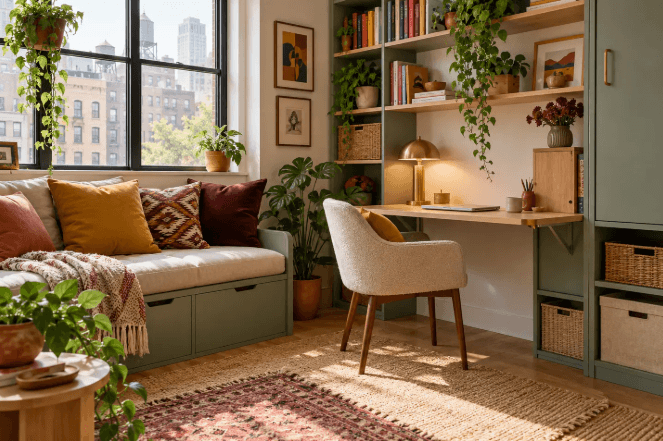
In a small home, furniture earns its place by working hard. A bed with drawers beneath it replaces a chest of drawers. A bench by the entrance gives you somewhere to sit while putting on shoes, with storage inside. A dining table can be extended for guests and folded back for everyday use.
Pieces that move are especially valuable. A lightweight desk on wheels can shift from the corner to the middle of the room when you want a change of scene. Stackable stools can disappear when not needed. Nesting tables offer surfaces when you have company and tuck away afterwards.
It is worth resisting the pull of anything oversized. A huge sofa may look generous in a showroom but can swallow a living room. Measure the room, mark the furniture’s footprint on the floor with masking tape, and live with the outline for a day before buying.
Storage Is a Design Problem, Not a Shopping Problem
When a home feels cluttered, the instinct is to buy more containers. Often the real fix is thinking about where things should live and why they keep ending up elsewhere.
Start with the things you use daily and give them a spot that is easy to reach. Things you use occasionally can sit higher or lower. Things you use rarely, such as seasonal items or spare bedding, can go in the least convenient spots.
Think vertically. Walls are underused in most homes. Shelves that run close to the ceiling, hooks behind doors and slim cabinets in awkward gaps all add capacity without taking up floor space. Be careful, though, not to fill every surface. Visual breathing room matters as much as storage, and a wall packed edge to edge can feel heavier than the clutter it replaced.
Finally, build in a routine of letting go. A small home cannot hold everything forever. A quick review every few months, asking whether each item has been used recently, keeps the balance in check.
Light, Colour and the Illusion of Space
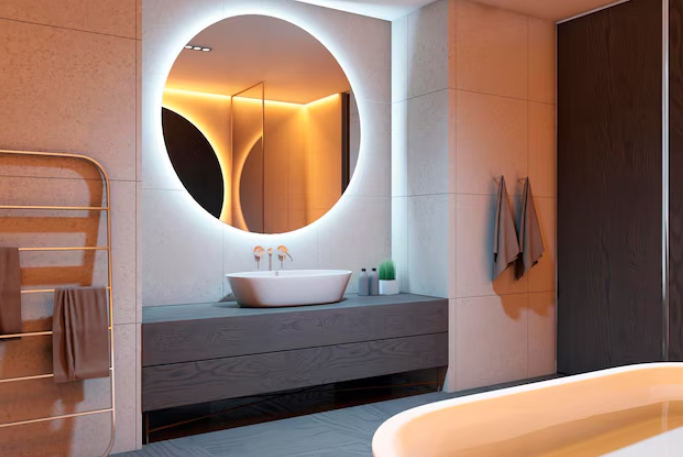
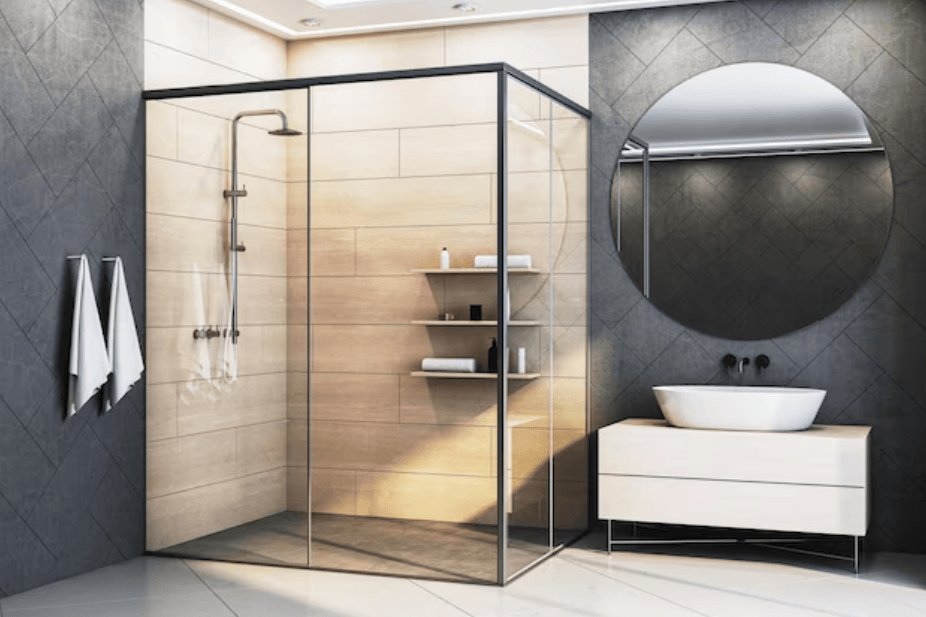
Light is the cheapest way to make a room feel larger. Keep windows clear of heavy furniture and thick curtains where you can, and choose window dressings that filter rather than block. Mirrors placed opposite or beside windows can bounce daylight deeper into a room, though they work best when they reflect something pleasant rather than a pile of laundry.
Colour does its share too. Lighter tones tend to make spaces feel more open, and using a consistent palette throughout connected areas helps rooms flow into each other. That said, a compact home does not have to be all white. A deeper shade on a single wall can add depth and character if the rest remains light.
Lighting at night matters as well. A single ceiling fitting can flatten a room. Layering a few lamps at different heights creates pools of warmth and makes a small space feel intentional rather than boxed in.
Zoning Without Walls
When one room has to serve several purposes, gentle boundaries help. A rug can mark out the living area. A shelf unit can separate a work corner from the sofa. A change in lighting, such as a reading lamp beside a chair, suggests a different mood from the main space.
These cues are psychological as much as physical. Sitting at a clearly defined desk, even a modest one, helps the brain shift into work mode. Closing a laptop and covering the desk with a simple cloth at the end of the day can help you switch off. In a home where work and rest share the same space, small rituals like this make a surprising difference.
The Outdoors as an Extra Room
Compact homes lean on their surroundings. A nearby park becomes the garden. A café becomes a second study. A library or community centre provides room for activities the flat cannot hold. Seen this way, the neighbourhood is not a backdrop but part of the living space.
That is worth remembering when comparing homes. Someone researching through the Lentor Signature Showflat page, for example, would do well to look beyond the unit itself and ask which parks, shops and services are within comfortable reach. The answers can be confirmed through official maps and a few unhurried walks around the area, and they often change how generous a small home feels in daily use.
A balcony, if there is one, can also work as a flexible extra. A couple of chairs and a few plants turn it into a place to drink coffee or unwind. Even a narrow ledge with a pot of herbs adds something living to a compact space.
Shared Facilities Count as Floor Space
In many condominiums, facilities such as lounges, function rooms, gyms and outdoor decks act as extensions of the flat. A household without space for a large dinner can borrow a communal room for a celebration. A student who needs quiet can use a study corner downstairs. A parent can let children play outside while staying close to home.
Buyers who are weighing this kind of arrangement might read the project information for Tanjong Rhu Residences Showflat alongside other developments, then confirm the actual facilities, rules, booking arrangements and upkeep costs through official documents and a visit. It is the practical details, such as how easy a room is to book or how crowded a space gets in the evenings, that decide whether a shared facility genuinely adds usable space.
Small Habits That Keep Small Homes Calm
Good design helps, but habits keep a compact home pleasant. A few that tend to work:
- Put things back as you use them, not at the end of the day.
- Keep one clear surface in each room as a visual rest.
- Do laundry in small, regular loads so that drying space never overflows.
- Choose quality over quantity when buying new things.
- Rotate décor and seasonal items instead of displaying everything at once.
None of these requires effort on a heroic scale. They simply stop small messes from becoming large ones.
Space Is a Feeling as Much as a Measurement
A home’s size, in square metres, tells you less than you might expect about how it feels to live in. A well-planned small flat with good light, sensible storage and a pleasant neighbourhood can feel more generous than a larger one that is dark, awkward or poorly connected.
So when you look at a compact home, do not only ask how big it is. Ask how it handles an ordinary Tuesday evening: where the shoes go, where the laundry dries, where you sit when you are tired. If the answers come easily, the home is probably larger than the number suggests.