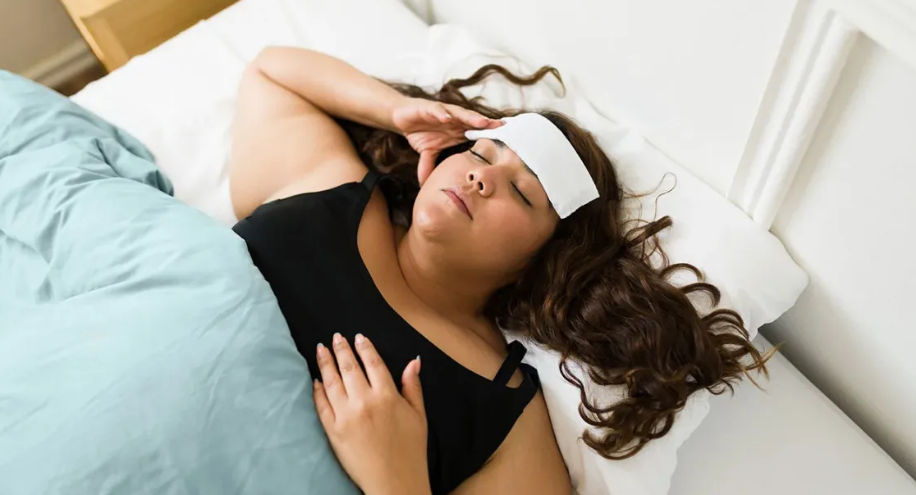
Understanding Your Headaches
Getting a handle on your headaches is the first important step to managing them well. Sometimes what you think is just a normal headache might actually be something with a specific cause—like migraine—or even a symptom worth talking about with your doctor. Not all headaches are the same, and knowing what sets yours apart can make a real difference in finding relief.
Identifying Migraine Characteristics
Migraines can be tough to spot, especially since they don’t always show up the same way for everyone. Here’s how you might recognize a migraine:
- Pain is often one-sided and throbbing
- Sensitivity to light, sound, or smell
- Nausea or even vomiting
- Possible visual changes, like flashing lights or zigzag lines
Some people describe a feeling of pressure or a sense that things just aren’t right before the pain starts. The pain itself can last for a few hours or even a couple of days. If your headaches regularly bring any of these features with them, you’re likely dealing with migraines rather than something else.
Recognizing Headache Triggers
Many people notice patterns in their headaches. Triggers are things that tend to set off your symptoms. Common ones include:
- Skipping meals or eating certain foods—aged cheese, chocolate, wine, or cured meats
- Changes in sleep patterns, like not getting enough rest or sleeping too much
- Stress, whether at work, home, or even good old “finals week” nerves
- Strong smells or bright lights
- Hormonal shifts, especially in women during menstruation
| Trigger Type | Examples |
| Food/Drink | Chocolate, wine, MSG, processed meats |
| Sleep Changes | Poor sleep, oversleeping |
| Environment | Strong smells, bright or flashing lights |
| Stress | Deadlines, big events |
| Hormonal | Periods, hormonal birth control |
Keeping a headache diary for a week or two can help figure out what’s behind your symptoms. It’s not always obvious until you write it down.
When to Seek Professional Evaluation
So, when is it more than just another headache? Here are a few signs that it might be time to seek help:
- Your headaches are new, severe, or different from what you’ve had before
- The pain wakes you up at night or comes on suddenly, like a thunderclap
- You notice numbness, weakness, confusion, or trouble speaking
- There’s a fever, vision changes, or you feel generally unwell
- Headaches are interfering with work, family, or your normal routines
If you’re hitting the painkillers several times a week or missing out on things you enjoy, it’s definitely worth making an appointment with your healthcare provider. Don’t wait for things to get worse—addressing headaches early means less time lost to pain and a better shot at finding what works for you.
Developing a Personalized Headache Care Plan
Okay, so you’ve got a better handle on what’s going on with your headaches. Now comes the really important part: making a plan that actually works for you. This isn’t a one-size-fits-all situation, not by a long shot. It’s about teaming up with your doctor to figure out the best way forward. You might even be looking for the best neurologist in Nevada, and that’s a smart move if you’re not getting the answers you need elsewhere.
Setting Realistic Treatment Goals
First things first, what do you actually want to achieve? It’s not always about making headaches disappear 100% overnight. Sometimes, it’s about reducing how often they occur or making them less intense when they do. Maybe you just want to get through a workday without a migraine derailing everything. Talking this through with your doctor is key. They can tell you what’s generally possible with different treatments.
Here are some common goals people aim for:
- Fewer headache days per month: Aiming for a noticeable drop in frequency.
- Reduced pain intensity: Making the headaches that do happen more manageable.
- Improved daily function: Being able to stick to your routine without headaches getting in the way.
- Less reliance on acute medication: Cutting down on how often you need to take a pain reliever.
The Role of Patient-Provider Partnership
Think of your doctor as your co-pilot on this journey. You’re the expert on your own body and how these headaches affect your life. They’re the expert on the medical side of things. When you work together and share information openly, you’re much more likely to find a treatment that fits. It’s a team effort, really. You need to feel comfortable talking about what’s working, what’s not, and any side effects you’re experiencing. Don’t be afraid to ask questions or voice concerns. A good doctor will listen and adjust the plan as needed.
Building a strong relationship with your healthcare provider means you can openly discuss your symptoms, your lifestyle, and your treatment preferences. This collaboration enables a truly personalized approach, moving beyond generic advice to solutions tailored to your headache type and its impact on your life.
Tailoring Therapies to Individual Needs
This is where things get really specific. What works for one person might not work for another, even if they have similar headache symptoms. Your doctor will consider a lot of factors when putting together your plan:
- Headache type and frequency: Are they migraines, tension headaches, or something else? How often do they occur?
- Your medical history: Any other health conditions you have?
- Your lifestyle: Sleep habits, diet, stress levels, exercise routine.
- Previous treatments: What have you tried before, and how did it go?
- Your personal preferences: Do you prefer pills, injections, or non-medication options?
For example, if stress is a big trigger for you, the plan might focus heavily on stress management techniques alongside medication. If sleep is the issue, optimizing your sleep hygiene becomes a priority. It’s all about creating a strategy that addresses the root causes and your specific triggers, not just the symptoms. This might involve a mix of medications, lifestyle changes, and other therapies. The goal is to find a combination that gives you the best relief with the fewest downsides.
Lifestyle Modifications for Headache Management
Making changes to your daily routine can really make a difference in managing headaches. It’s not just about popping a pill; it’s about setting up your body to be more resilient.
Optimizing Sleep and Hydration Habits
Getting enough quality sleep is super important. When you don’t sleep well, it’s a common trigger for headaches, especially migraines. Aim for a consistent sleep schedule, even on weekends. Try to create a relaxing bedtime routine and make sure your bedroom is dark, quiet, and cool.
Staying hydrated is another big one. Dehydration can sneak up on you and cause headaches or make existing ones worse. Keep a water bottle handy throughout the day and sip on it regularly. Don’t wait until you’re thirsty, as that’s already a sign you’re a bit dehydrated.
The Impact of Exercise and Stress Reduction
Regular physical activity can be a game-changer. It helps reduce stress, which is a major headache trigger for many people. Find an activity you enjoy, whether it’s walking, swimming, or yoga, and try to do it most days of the week. Just be mindful that very strenuous exercise can sometimes trigger a headache in some individuals, so pay attention to how your body reacts.
Stress management techniques are also key. Things like deep breathing exercises, meditation, or even just taking short breaks during a busy day can help lower your overall stress levels. Finding healthy ways to cope with stress can significantly reduce headache frequency and intensity.
Dietary Considerations and Caffeine Intake
What you eat and drink plays a role, too. Some people find that certain foods or drinks can trigger their headaches. Keeping a food diary can help you identify any personal triggers. Common culprits can include aged cheeses, processed meats, and artificial sweeteners.
Caffeine is a bit of a double-edged sword. For some, a small amount of caffeine can actually help relieve a headache. However, too much caffeine, or consuming it regularly, can lead to rebound headaches or withdrawal headaches when you try to cut back. It’s best to moderate your intake and be consistent. If you drink coffee daily, try to stick to a similar amount each day to avoid withdrawal.
Making consistent, positive lifestyle changes can build a stronger defense against headaches. It’s about creating a supportive environment for your body to function at its best, reducing the likelihood of unwelcome headaches.
Here are some general guidelines to consider:
- Sleep: Aim for 7-9 hours of quality sleep per night.
- Hydration: Drink at least 8 glasses of water daily, more if you’re active or in a hot climate.
- Exercise: Engage in moderate physical activity for at least 30 minutes most days of the week.
- Stress Management: Practice relaxation techniques daily, even for just a few minutes.
- Caffeine: Keep intake moderate, generally under 200mg per day, and be consistent with your timing.
Medication Strategies for Headaches
When a headache strikes, medication is often the first thing that comes to mind. For migraines especially, there’s a whole range of options, from things you can grab at the drugstore to specialized prescriptions. It’s not just about stopping the pain in the moment, though; some meds are designed to keep headaches from happening in the first place.
Understanding Acute vs. Preventive Treatments
Think of headache medications in two main categories: acute and preventive. Acute treatments are your go-to for when a headache is already here. They aim to quickly stop the pain and other symptoms. Preventive treatments, on the other hand, are taken regularly to reduce the frequency and severity of headaches. It’s like putting out fires versus preventing them from starting.
- Acute Medications: These are for immediate relief. Examples include common pain relievers like ibuprofen and naproxen, as well as specific migraine drugs like triptans and gepants.
- Preventive Medications: These are taken daily or monthly to lower headache frequency. They can include certain blood pressure medications, antidepressants, anti-seizure drugs, and newer CGRP inhibitors.
Navigating Over-the-Counter Options
Many people start with over-the-counter (OTC) pain relievers like acetaminophen, ibuprofen, or naproxen. These can be effective for mild to moderate headaches. However, there’s a catch: using them too often, even just two or three days a week, can lead to rebound headaches. This means the medication itself starts causing more headaches, which can be a tricky cycle to break. It’s really important to use these sparingly and talk to your doctor if you find yourself reaching for them frequently.
Exploring Advanced and Specific Therapies
For more severe or frequent headaches, especially migraines, prescription medications offer more targeted relief. Triptans were among the first migraine-specific drugs, and newer classes like gepants and CGRP inhibitors have become game-changers for many. These newer options are often designed to have fewer side effects and can be administered in different ways, like injections or pills.
Choosing the right medication, or combination of medications, depends a lot on your specific headache type, how often they happen, and your overall health. What works wonders for one person might not be the best fit for another. It’s a conversation you’ll want to have with your healthcare provider to find the most effective and safest plan for you.
Here’s a look at some common types of prescription medications:
- Triptans: These drugs specifically target migraine pathways. Examples include sumatriptan (Imitrex) and rizatriptan (Maxalt).
- Gepants: A newer class of acute treatments that block CGRP, a molecule involved in migraine pain. Examples include ubrogepant (Ubrelvy) and rimegepant (Nurtec ODT).
- CGRP Inhibitors (Preventive): These can be given as monthly or quarterly injections or infusions to prevent migraines. Examples include erenumab (Aimovig) and fremanezumab (Ajovy).
- Other Preventives: Medications originally developed for other conditions, such as certain blood pressure drugs (e.g., propranolol) and anti-seizure drugs (e.g., topiramate), are also commonly used preventively.
Non-Medication Approaches to Headache Relief
Sometimes, the best way to tackle a headache doesn’t involve a pill. There are a bunch of things you can try that don’t use medication, and they can really make a difference. It’s all about finding what works for your body and your specific type of headache.
Temperature Therapy and Rest
Think about when you put an ice pack on a bump or a heating pad on a sore muscle. That same idea applies to headaches. Cold therapy, such as an ice pack or a special cooling headband, can help by constricting blood vessels and slowing nerve signals, which might reduce pain and swelling. Some studies show it can really reduce migraine pain pretty quickly. On the flip side, warmth can also be soothing for some people, especially if muscle tension is contributing to the headache. Finding the right temperature, whether it’s cool or warm, can be a simple yet effective step.
Resting in a quiet, dark room is another classic for a reason. Many headaches, especially migraines, come with sensitivity to light and sound. Removing those irritants can give your brain a break and help ease the pain. Paying attention to your breathing, trying slow, deep breaths, can also help calm your nervous system and reduce stress, which often makes headaches worse.
Physical Therapy and Posture Correction
Did you know that how you sit or stand can actually lead to headaches? Poor posture, especially if you spend a lot of time at a desk, can cause tension in your neck and shoulders that radiates up to your head. Physical therapy can be super helpful here. A therapist can assess your posture, teach you specific stretches and strengthening exercises for your neck and upper back, and even help with techniques like dry needling to release tight spots. They might also check out your workspace setup or even your pillow to see if those are playing a role.
Complementary Tools for Symptom Management
Beyond temperature and posture, other tools can help manage headache symptoms. Some people find relief from wearing a special cap filled with a gel that can be cooled or warmed. It applies gentle pressure and can be quite soothing. Neuromodulation devices, like TENS units, send small electrical signals that can help block pain signals. You can use these during a headache or regularly to help prevent them. Massage therapy, including techniques such as reflexology that target pressure points, has also shown promise in reducing headache pain and tension. Even simple things like staying hydrated can make a big difference in how often and how severe your headaches are.
It’s easy to think of headaches as something that just needs a quick fix with medicine. But often, a combination of approaches works best. Exploring these non-medication options can give you more control over your headaches and help you feel better overall, not just when the pain hits.
The Importance of Consistent Follow-Up
So, you’ve got a plan in place, you’re trying out new treatments, and maybe even making some lifestyle changes. That’s awesome! But here’s the thing: managing headaches isn’t usually a one-and-done deal. It’s more like a journey, and checking in regularly is super important to make sure you’re heading in the right direction.
Tracking Progress and Symptoms
Keeping tabs on how you’re doing is key. It’s not just about feeling a little better; it’s about getting specific. Think about asking yourself questions like: After taking my medication, how long did it take for the pain to ease up? Was I completely pain-free? For how long? How many days this month did I actually feel headache-free? This kind of detail helps you and your doctor see what’s really working and what’s not.
Here’s a simple way to track:
- Headache Days: Mark down every day you have a headache or migraine.
- Severity: Rate the pain on a scale of 1-10.
- Medication Use: Note which medications you took and when.
- Symptom Relief: Record how long it took for relief and how complete it was.
- Impact on Daily Life: Did the headache stop you from working, socializing, or doing other activities?
Addressing Insurance Barriers
Let’s be real, dealing with insurance can be a headache in itself. Sometimes getting the treatments your doctor recommends involves a lot of paperwork, such as prior authorizations. The good news is, things are slowly getting better. As more research emerges and medical groups share their recommendations, insurance companies are beginning to adjust their policies. Making sure your doctor has accurate documentation of your headache days and how they affect you can really help speed up the approval process.
Don’t underestimate the power of good notes. When you’re talking to your doctor, be sure to mention how your headaches impact your daily life. This information is gold when it comes to getting insurance to cover the treatments you need.
Adjusting Treatment Plans Over Time
Your headache plan isn’t set in stone. What works now might need tweaking later. Maybe a medication isn’t as effective as it used to be, or perhaps your lifestyle has changed. Regular check-ins with your healthcare provider are the perfect time to discuss these shifts. They can help you determine whether you need to adjust dosages, switch medications, add new therapies, or even re-evaluate your lifestyle changes. It’s all about working together to find the best path forward for your long-term well-being.
See also: A Complete Guide to Budget-Friendly Hotel Booking
Conclusion
Managing headaches effectively is a journey, not a destination. By understanding your specific headache patterns, working closely with your healthcare provider, and embracing a holistic approach that includes lifestyle changes and appropriate treatments, you can gain better control over your symptoms. Consistent follow-up and a willingness to adjust your plan as needed are key to achieving lasting relief and improving your overall quality of life. Remember, you don’t have to live with constant head pain; a clear care plan can make a significant difference.
Frequently Asked Questions
What’s the difference between a regular headache and a migraine?
A regular headache might just make your head hurt. A migraine is more intense and can also bring on other issues like feeling sick to your stomach, being bothered by lights and sounds, or even seeing weird spots before it starts. Migraines often feel like a throbbing pain on one side of your head.
How do I figure out what’s causing my headaches?
Keeping a headache diary is super helpful. Write down when your headaches happen, how bad they are, and what you were doing, eating, or feeling beforehand. This can help you spot patterns and identify your personal triggers, such as certain foods, lack of sleep, or stress.
When should I see a doctor about my headaches?
If over-the-counter pain relievers aren’t helping much, or if your headaches are stopping you from doing your normal activities like going to school or work, it’s time to talk to a doctor. Also, see a doctor if you have a sudden, very bad headache, or if your headache is accompanied by a fever or a stiff neck.
What are some simple things I can do at home to help with a headache?
Trying to rest in a quiet, dark room can make a big difference. Putting a cold cloth or pack on your head might feel good, or a warm one on your neck if your muscles feel tight. Staying hydrated by drinking enough water is also important.
Can exercise help with headaches?
Yes, exercise can be really good for managing stress, which is a common headache trigger. It also helps your body feel better overall. Just be careful not to overdo it, as really intense exercise can sometimes set off a headache for some people.
What’s the deal with caffeine and headaches?
Caffeine can be tricky. For some, a little bit can help relieve a headache. But having too much, or quitting it suddenly, can actually cause headaches. It’s best to keep your caffeine intake steady and not go overboard.